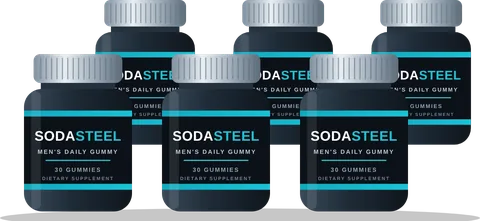
The SodaSteel label lists six ingredients: Tongkat Ali, Ashwagandha, L-Citrulline, Zinc, Maca Root, and Tribulus Terrestris. The brand lists no amounts, so the list tells you what is in the formula, not how much. Reading it well means sorting the names by type, understanding how they are written, and keeping the label beside the bottle.
Start with the list itself · Sort the names into three families · Decode how each name is written · Why the order and the count matter · Read the rest of the label too · A simple label-reading routine
- Six names are listed by the brand, in the order shown on the label.
- The names fall into three families: botanicals, an amino acid, and a mineral.
- No amounts are listed, so this guide makes no claims about quantity.
- Matching the label to the bottle in your hand is the best habit.
Start with the list itself
A short ingredient list, like the one on a SodaSteel bottle, is a gift to a curious reader. Six names fit on one line, and you can learn all of them in a single sitting. The brand lists them as Tongkat Ali, Ashwagandha, L-Citrulline, Zinc, Maca Root, and Tribulus Terrestris.
Notice what the list is and is not. It is a statement of what the brand puts in the formula. It is not a dosing chart, because the brand lists no amounts. So the sensible way to read it is as an inventory: six named items, delivered in a gummy, taken as two pieces per day.
Sort the names into three families
Sorting is the fastest way to make a list feel familiar. Each of the six names belongs to one of three families, and knowing the family helps you read other labels with more confidence too.
- Plant-based names: Tongkat Ali, Ashwagandha, Maca Root, and Tribulus Terrestris all come from plants
- An amino acid name: L-Citrulline, which is a building block found in food and also made in the body
- A mineral name: Zinc, an element that appears in many everyday foods
Ready to start your routine?
SodaSteel: a daily men's wellness gummy, two a day, with a 60-day money-back guarantee.
Order SodaSteel NowDecode how each name is written
Label styles carry clues. "Tribulus Terrestris" is written as a two-part botanical name, a genus followed by a species, which is how plants are catalogued worldwide. "Maca Root" is written in plain English and names the plant part, root. "Tongkat Ali" and "Ashwagandha" use their traditional common names, drawn from the languages of the regions where they grow.
"L-Citrulline" has a prefix worth knowing. The "L" refers to the molecular form, the version that appears in nature. And "Zinc" is simply an element, listed by its everyday name. Once you spot these patterns, any supplement panel becomes easier to scan.
Why the order and the count matter
Six is a modest number. Short lists make it easy to see exactly what you are choosing, with no dense paragraph of unfamiliar terms to wade through. That simplicity pairs well with the brand's stated directions: two gummies each morning, same time each day, no water or capsules needed.
Compare that to a label with thirty entries, which would take your whole morning to read. With the SodaSteel list of six, you can learn the list once and move on with your day. The formula page displays the same six names so you can check your bottle against it.
Read the rest of the label too
Beyond the ingredient names, give the whole panel a look. The brand shows five badges: Made in USA, GMP Certified, FDA-Registered Facility, Non-GMO, and 100% All Natural. The FDA-Registered Facility badge refers to the facility, not to approval of the product itself.
For deeper background on any single ingredient name, the NIH Office of Dietary Supplements maintains reader-friendly fact sheets, and the USDA FoodData Central database shows what foods contain. Both are good places to explore further.
A simple label-reading routine
Make this a two-minute habit whenever a new bottle arrives. Compare the list on the bottle to the list on the website, confirm the serving directions, and set the label photo as a favorite on your phone. Then get on with your mornings. The benefits page summarizes how the brand positions the formula, which is a useful companion read once the names feel familiar to you.
If you want the bigger picture of how the daily format fits together, the how it works page is the natural next stop.